
For years, the LED display industry has been driven by specification. Manufacturers have competed on brighter displays, finer pixel pitches and higher resolutions, while buyers have naturally focused on comparing technical data. Those metrics still matter, but they’re no longer what defines a successful project.
As LED technology has matured, the conversation has shifted. Today, the most successful installations aren’t simply chosen for how they look on day one, they’re engineered to perform for years to come.
Looking Beyond the Screen
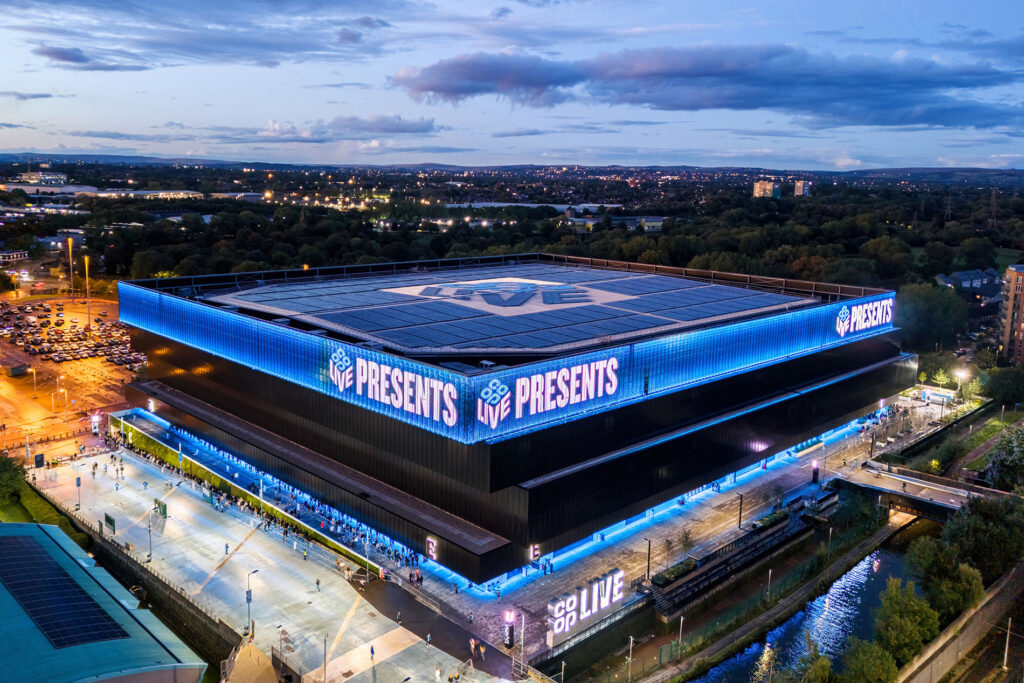
An LED display is no longer a standalone product. Whether installed in a retail destination, entertainment venue, transport hub or commercial building, it’s expected to operate as part of a wider digital ecosystem. It needs to integrate with content management systems, building infrastructure and operational workflows, while remaining reliable in demanding environments.
That’s why specification should only be the starting point.
The Questions That Really Matter
Pixel pitch, brightness and refresh rate all influence visual performance, but they don’t tell you how a display will perform over its lifetime.
- How quickly can a damaged module be replaced?
- Can engineers safely access the installation for maintenance?
- Is the system designed to accommodate future upgrades without replacing the entire structure?
- Will replacement components still be available years down the line?
These are engineering decisions, not specification-sheet comparisons, and they’re often what determine the long-term success of an installation.
Designing for Longevity
The best LED display projects are designed with the future in mind. Technology evolves, content requirements change and buildings are continually adapted to meet new operational demands. A well-engineered system should be able to evolve alongside them.
Modular construction, intelligent integration and planned serviceability help reduce downtime, extend product life and protect investment. Rather than viewing maintenance as an afterthought, it should be considered a fundamental part of the design process.
Integration Creates Greater Value
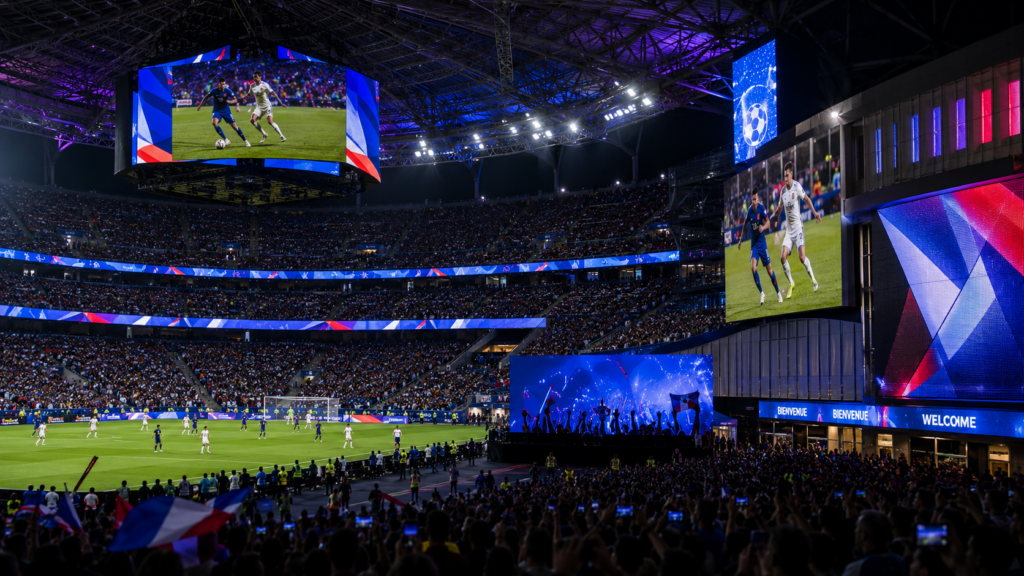
Modern LED displays don’t operate in isolation. They form part of a connected environment, working alongside lighting systems, audio, control platforms and digital content networks to deliver a seamless user experience.
When these systems are designed to work together from the outset, operators benefit from greater reliability, simplified management and improved operational efficiency. It’s an approach that creates long-term value rather than short-term impact.
Engineering First
At Bauer Digital, we believe successful LED projects begin long before a display is selected. Understanding the environment, operational requirements and long-term objectives allows us to specify solutions that are built around performance, reliability and longevity, not simply technical specification.
Because the future of LED isn’t about chasing the highest resolution.
It’s about engineering digital infrastructure that continues to perform long after installation.
Built with Precision. Engineered to Perform.