
Stadium LED is Changing. Here’s Why It Matters.
The World Cup doesn’t just raise the standard of football, it raises the standard of every stadium that hosts it.
With billions of viewers watching globally and tens of thousands of fans in attendance, venues are expected to deliver a seamless, high-impact experience from the moment a supporter arrives to the final whistle.
Stadium LED technology is at the centre of that expectation, with YAHAM LED delivering the full suite of systems that make it possible.
The Arrival Moment
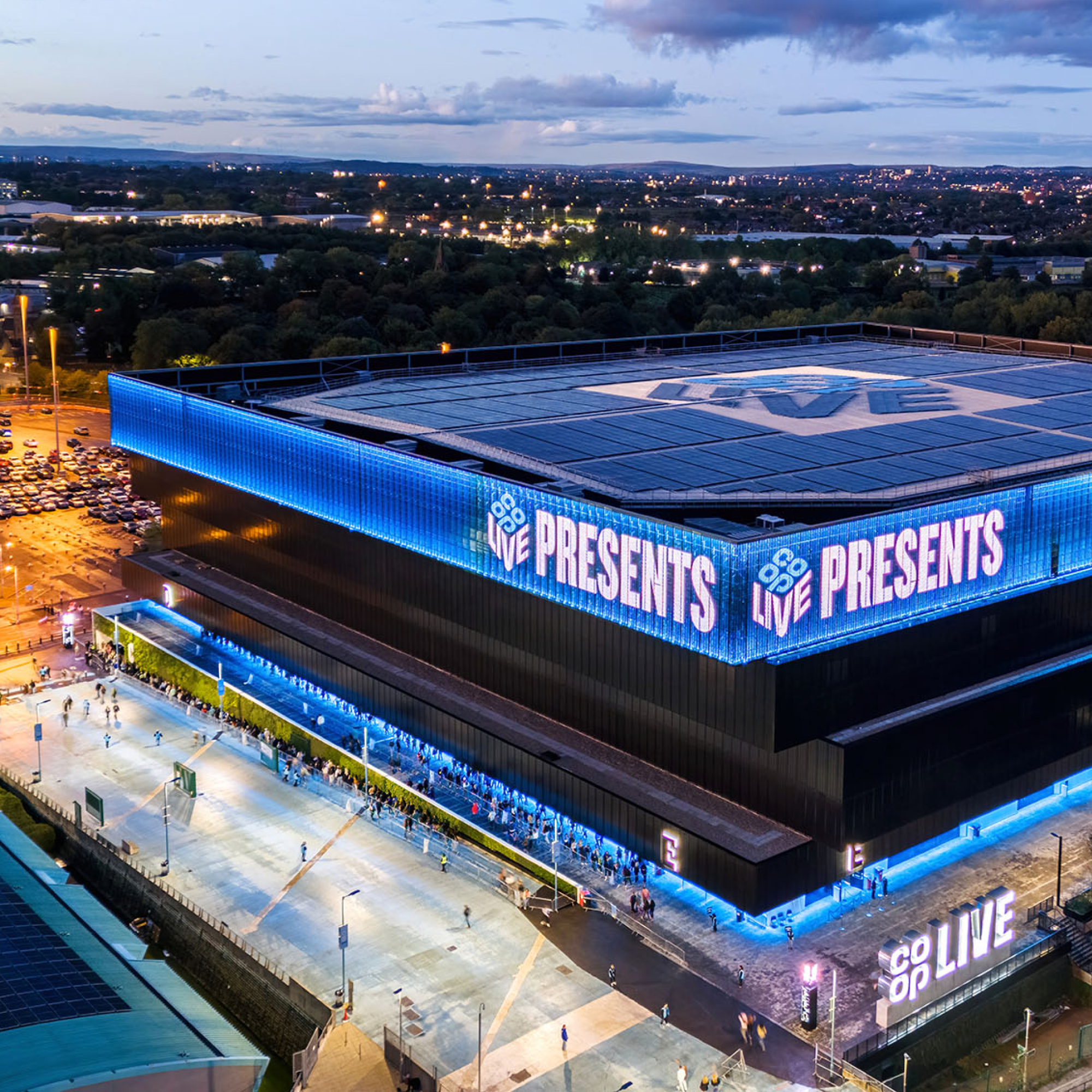
First impressions matter, and for fans, this is no different. From the moment they arrive at the ground, the excitement begins. It’s a chance to pause, take it all in, and feel the scale of the occasion. Building façades, exterior architecture, and approach routes set the tone for the entire event.
Stadium redevelopment is increasingly viewed as a commercial asset rather than simply match-day infrastructure. Exterior LED plays a central role in that shift, transforming the approach to the ground into an integral part of the event experience.
This is where solutions like YAHAM’s L1 Series LED light bars come into play. Engineered for large-scale architectural integration, the modular system allows designers to scale and shape installations across entire façades, with practical benefits including simplified installation and front-access maintenance.
Pitchside Performance
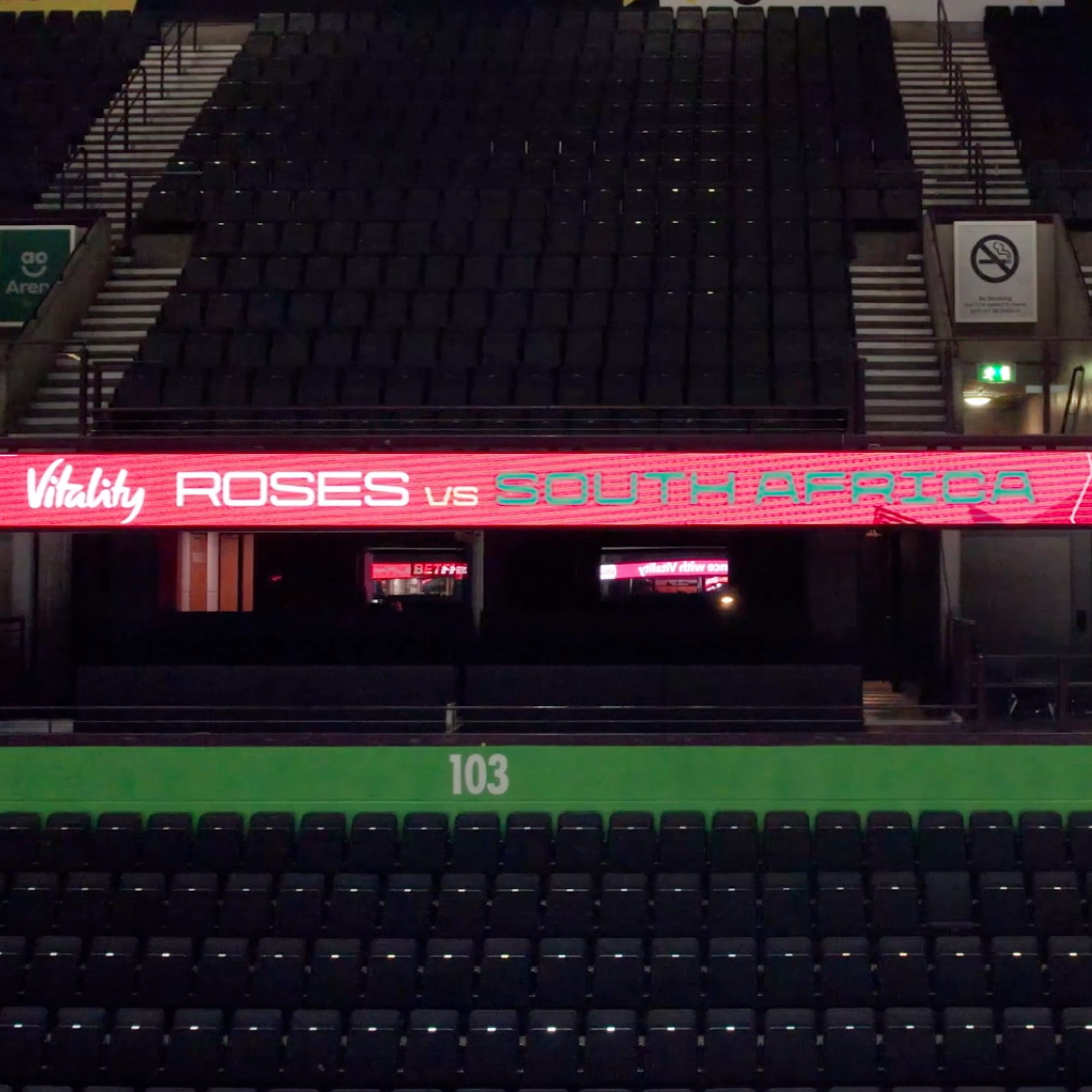
Perimeter LED is one of the highest-visibility and highest-revenue assets in any professional stadium. With global broadcast coverage, every second of pitchside content is seen by millions, making the commercial stakes significant.
An estimated 6 billion viewers are expected to watch the 2026 FIFA World Cup. At that scale, every perimeter board in every match becomes a global advertising platform.
The shift to digital perimeter has fundamentally changed the sponsorship model. LED systems now deliver dynamic, rotation content, allowing multiple brands to be featured within a single match. Combined with frequent appearances in close-ups, replays, and highlights, this creates a level of exposure that traditional static formats simply cannot match. Thus, dramatically increasing inventory and revenue opportunities for clubs and federations.
Solutions like YAHAM’s A Series are built specifically for this environment. Designed for elite-level competition, the system encorporates integrated player-safety protection to withstand direct athlete impact during live play, while delivering consistent, high-performance output across extended broadcast windows.
Large Format Displays
The stadium big screen remains one of the most critical assets in any major venue.
It anchors the fan experience, delivering replays, live content, and sponsors messaging while keeping tens of thousands of supporters engaged throughout the event.
Investment at the top level reflects this importance. Ahead of the 2026 FIFA worls Cup, Toronto Stadium installed four new videoboards totaling more than 5 million LED pixels – setting a clear benchmark for modern stadium display infrastructure.
Solutions like YAHAM’s Radiance Series are designed to meet this standard. Built for large-format outdoor applications, the system delivers high-brightness for clear visibility in direct sunlight, wide viewing angles across a full stadium bowl, and durable, weather-resistant performance for year-round operation.

Built for Scale, Delivered Locally
Bauer Digital operates as the official UK distributor for YAHAM LED, brining high-quality, proven systems into local markets across the UK and Europe. From exterior light bars to pitch side perimeter and large-format displays Bauer Digital delivers the complete YAHAM stadium ecosystem.